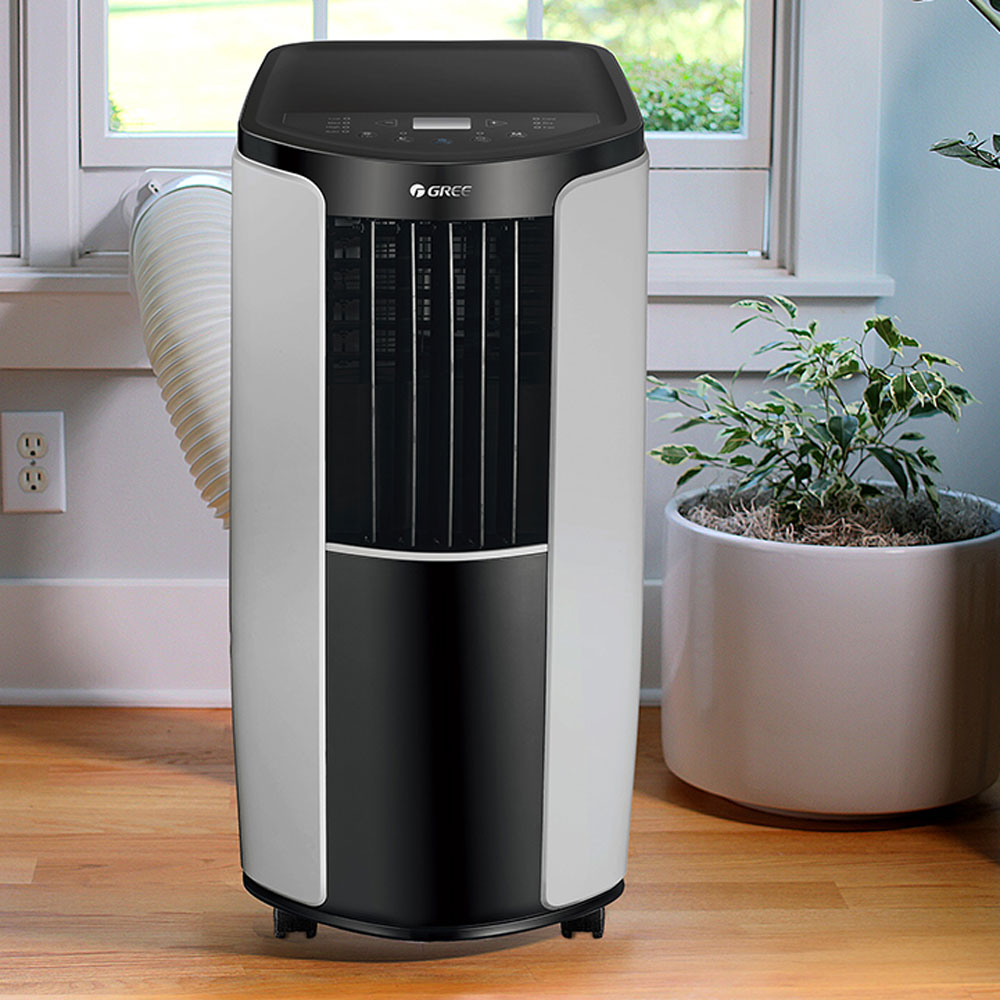
Choosing the best air conditioner for small and large spaces requires careful consideration of several factors, including cooling capacity, energy efficiency, noise levels, and installation type. For smaller rooms or apartments, compact units with lower BTU (British Thermal Unit) ratings are ideal because they provide sufficient cooling without wasting energy. Portable air conditioners and window units often serve well in these environments due to their ease of installation and affordability. A unit rated between 5,000 to 8,000 BTUs typically cools spaces up to 350 square feet efficiently. These models are not only cost-effective but also consume less power compared to larger systems.
In contrast, larger spaces demand air conditioners with higher cooling capacities capable of handling greater volumes of air quickly and effectively. Central air conditioning systems or high-capacity split units are usually preferred for homes or offices exceeding 1,000 square feet. Such systems range from 18,000 to over 36,000 BTUs depending on room size and insulation quality. While these options require professional installation and a higher initial investment, their superior performance justifies learn the facts cost by maintaining consistent temperatures throughout expansive areas.
Energy efficiency is a critical factor regardless of space size. Models featuring high Seasonal Energy Efficiency Ratio (SEER) ratings help reduce electricity bills while minimizing environmental impact. Modern inverter technology allows compressors to adjust speed dynamically based on cooling demand rather than operating at full power constantly; this leads to quieter operation and better temperature control in both small and large rooms.
Noise level is another important consideration when selecting an air conditioner for any space. Units designed specifically for bedrooms or offices tend to operate below 50 decibels so as not to disturb daily activities or sleep patterns. Larger systems can be noisier but manufacturers often include sound-dampening features that mitigate operational sounds significantly.
Maintenance requirements vary among different types of air conditioners but generally involve regular filter cleaning or replacement along with periodic servicing by qualified technicians for refrigerant checks and system diagnostics. Proper upkeep ensures longevity and optimal performance regardless of model size.
Ultimately, the best choice depends on individual needs such as room dimensions, budget constraints, aesthetic preferences, and energy consumption goals. Small spaces benefit from portable or window-mounted units that balance convenience with effective cooling capacity while larger areas require robust central or split systems tailored for comprehensive climate control solutions. By aligning product specifications with specific environmental demands one can achieve comfortable indoor conditions year-round without unnecessary expenditure or complexity in operation.