
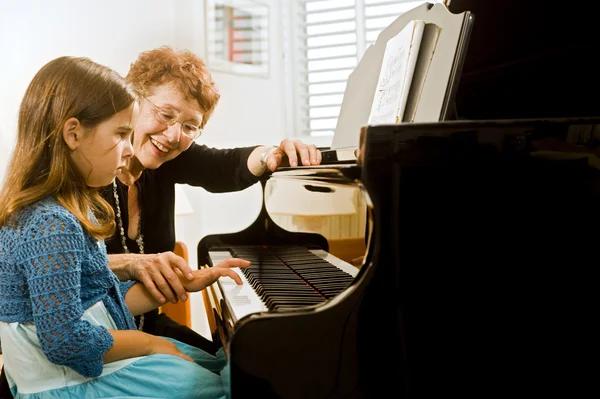
Piano teachers play a pivotal role in nurturing the musical talents of their students, but their influence extends beyond the confines of weekly lessons. They often work closely with parents to create an environment that supports and enhances a child’s musical journey. By guiding parents, piano teachers help ensure that students not only learn how to play the piano but also develop a lifelong appreciation for music.
One of the primary ways piano teachers guide parents is by encouraging consistent practice at home. Teachers emphasize the importance of establishing a routine, as regular practice is crucial for skill development. They may suggest specific times for practice sessions and recommend creating a dedicated space free from distractions where children can focus on playing. By advising parents on how to integrate practice into daily life, teachers help reinforce discipline and commitment in young musicians.
Moreover, piano teachers provide valuable insights into setting realistic goals tailored to each student’s abilities and progress. They communicate these objectives with parents so they can support their children effectively. Whether it’s mastering a particular piece or improving technique, having clear goals helps maintain motivation and provides a sense of achievement when milestones are reached.
Teachers also encourage open communication between themselves, students, and parents. Regular explore the content feedback sessions allow all parties involved to discuss progress, address challenges, and celebrate successes together. This collaborative approach ensures that any issues are promptly addressed while fostering an atmosphere of mutual support.
In addition to technical skills, piano teachers instill an appreciation for music’s emotional depth and cultural significance. They might suggest attending live performances or exploring various genres at home as part of this broader education in music appreciation. Parents who actively participate in these activities demonstrate enthusiasm for their child’s interests and contribute positively to their overall musical experience.
Furthermore, recognizing each child’s unique learning style is essential for effective teaching—and here too parental involvement is key. Piano teachers often share strategies with parents on how best to cater to individual needs outside lesson time; whether through visual aids like sheet music apps or auditory tools such as recordings that enhance listening skills—these resources complement traditional methods used during classes.
Ultimately though it’s not just about achieving proficiency—it’s about cultivating joy through creativity which will last long after formal instruction ends! Encouraging exploration beyond assigned repertoire fosters self-expression allowing budding musicians room grow artistically without fear judgment from others around them including family members themselves!
By partnering closely with families throughout this process—from initial lessons onward—piano educators lay groundwork necessary ensuring every student thrives musically thereby enriching lives immeasurably both now future generations alike!