Selecting the right heating and cooling system for your home or business is a decision that requires careful consideration, as it impacts comfort, energy efficiency, and long-term costs. An HVAC (Heating, Ventilation, and Air Conditioning) company can offer invaluable advice to ensure you make an informed choice tailored to your specific needs.
First and foremost, understanding the size and layout of your space is crucial. An HVAC professional will conduct a load calculation to determine the appropriate system size needed to efficiently heat or cool your area. This involves evaluating factors such as square footage, ceiling height, insulation quality, window sizes, and local climate conditions. Choosing a unit that is too large or too small can lead to inefficiencies—an oversized system may cycle on and off frequently without properly dehumidifying the air, while an undersized one might struggle to maintain desired temperatures.
Energy efficiency should be another priority when selecting an HVAC system. Modern systems come with ratings such as SEER (Seasonal Energy Efficiency Ratio) for air conditioners and AFUE (Annual Fuel Utilization Efficiency) for furnaces. Higher ratings indicate better energy performance which translates into lower utility bills over time. Consulting with an HVAC expert can help you understand these ratings in relation to potential savings on energy costs.
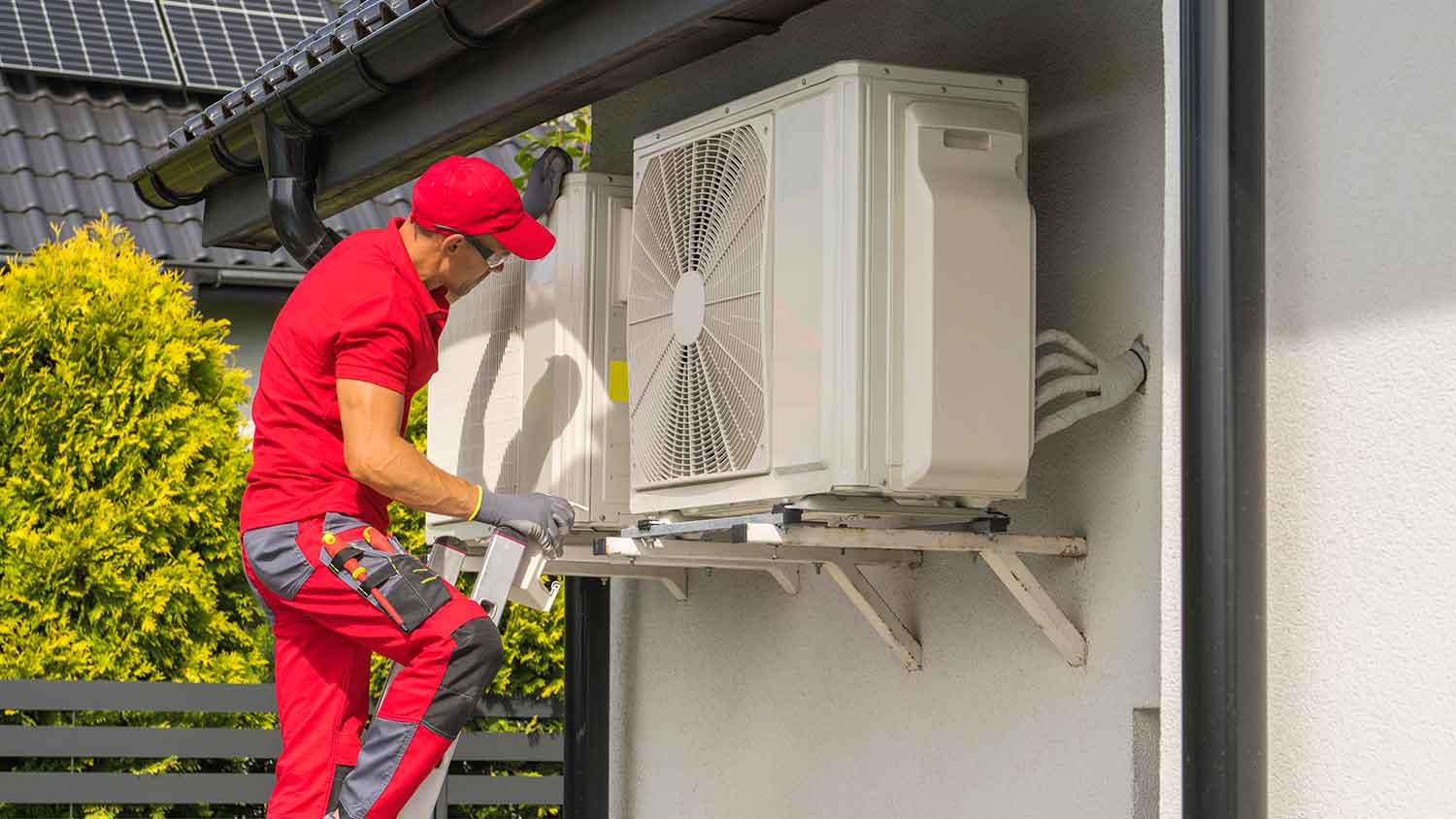
Moreover, consider the type of system that best suits your environment: central air conditioning systems distribute conditioned air through ductwork; ductless mini-split systems are ideal for homes without ducts; heat pumps provide both heating and cooling by transferring heat rather than generating it directly; while geothermal systems use stable underground temperatures for efficient operation year-round.
Maintenance requirements also play a vital role in choosing an HVAC system. Regular maintenance ensures optimal performance and longevity of equipment—something that should not be overlooked during selection process discussions with professionals who can guide you on expected upkeep tasks like filter changes or professional inspections.
Budget constraints cannot be ignored either but remember that upfront cost isn’t everything—a cheaper model might result in higher operational expenses due to inefficiency or frequent repairs down the line compared against investing read more initially in high-efficiency models offering greater reliability over their lifespan.
Lastly yet importantly comes considering technological advancements available today including smart thermostats allowing remote control via smartphone apps enhancing convenience plus potentially reducing energy consumption further by tailoring settings based upon daily routines automatically learned from user patterns making them worth exploring alongside traditional setups advised upon by experienced contractors knowledgeable about latest innovations within industry standards ensuring satisfaction guaranteed once installed correctly meeting all expectations set forth initially discussed prior installation phase commenced fully completed successfully thereafter leaving clientele happy they chose wisely indeed!