
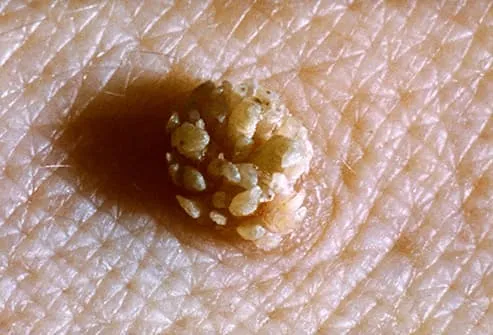
Mole removal is a cosmetic and sometimes medical procedure aimed at eliminating moles from the skin, contributing to a clearer complexion and potentially preventing health issues. Moles are common skin growths composed of clusters of pigmented cells, usually appearing as brown or black spots on the skin. While most moles are harmless, some can be unsightly or develop into malignant melanoma, a severe form of skin cancer. Consequently, mole removal has gained popularity not only for aesthetic reasons but also as a preventive healthcare measure.
There are several methods available for mole removal, each with its own advantages and considerations. The choice of method often depends on factors such as the size, type, location of the mole, and patient preference. Surgical excision is one traditional approach where the mole is cut out using a scalpel under local anesthesia. This method is effective for larger moles or those that might be suspicious in nature since it allows for further pathological examination to rule out malignancy.
Another popular technique is laser removal which uses concentrated light beams to break down pigment in the mole cells. Laser wart treatment options tends to be less invasive than surgical excision and may result in minimal scarring; however, it’s typically more suitable for smaller moles that do not protrude above the surface of the skin.
Cryotherapy involves freezing off moles using liquid nitrogen. This method causes minimal discomfort and does not require anesthesia but might need multiple sessions depending on the size and depth of the mole being treated.
Radiofrequency ablation employs high-frequency radio waves to shave off layers of tissue until reaching normal skin levels—this option offers precision with reduced risk of scarring compared to traditional surgery methods while ensuring complete removal when performed by skilled practitioners.
Topical treatments containing acids like salicylic acid or other active ingredients offer non-invasive alternatives mainly used at home over extended periods; these creams gradually dissolve away superficial layers without affecting deeper tissues beneath them though they may lack efficacy against deeply rooted lesions requiring professional intervention instead due diligence must always precede their application especially around sensitive areas such eyes mouth nose ears etcetera avoiding potential complications arising improper usage altogether!
Regardless chosen modality consultation experienced dermatologist essential ensure correct diagnosis tailored plan addressing individual needs preferences optimally achieving desired outcomes safely effectively importantly monitoring post-procedure healing signs infection recurrence possible complications maintaining healthy clear vibrant-looking complexion long-term basis!
In conclusion investing time effort researching various options consulting qualified professionals ensures informed decisions made regarding personal skincare goals ultimately leading towards enhanced confidence well-being satisfaction derived smoother even-toned appearance reflecting true essence beauty within outwardly visible manner!