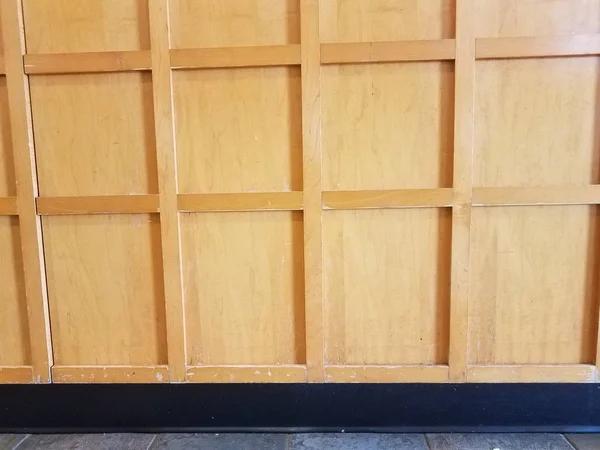
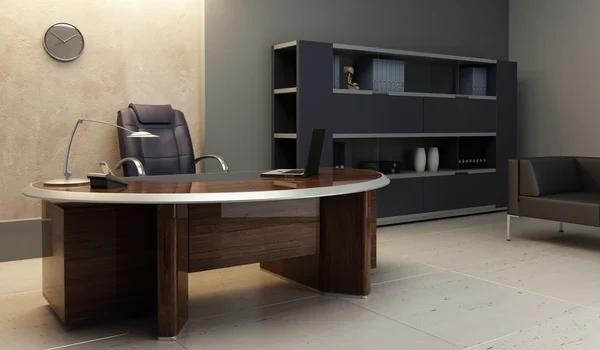
Purchasing used office furniture can be a cost-effective way to furnish a workspace, but it requires careful consideration to avoid common pitfalls. One of the primary mistakes is neglecting to assess the condition of the furniture thoroughly before buying. Used items may have hidden damage such as weakened joints, scratches, or stains that could affect both appearance and durability. Failing to inspect these details can lead to additional expenses for repairs or replacements shortly after acquisition.
Another frequent error is overlooking ergonomic factors when selecting chairs and desks. Comfort and proper support are essential for maintaining employee health and productivity. Used furniture might not meet current ergonomic standards or fit the specific needs of your team members, resulting in discomfort or even injury over time. It’s important to test seating options and ensure desks allow appropriate posture before committing to a purchase.
Ignoring measurements is also a critical oversight during office setup with secondhand pieces. Buyers often underestimate how much space items will occupy or fail to consider doorways and elevators through which the furniture must pass during delivery. Without accurate dimensions, you risk acquiring pieces that do not fit well in your designated areas or cannot be moved into the building at visit our resource center all.
Additionally, some buyers make the mistake of focusing solely on price without considering style compatibility with existing decor. While budget constraints are understandable, mismatched furniture can create an unprofessional appearance that affects company image and employee morale. Striving for consistency in design helps maintain an inviting atmosphere conducive to work.
Failing to verify seller credibility is another common issue when purchasing used office furnishings from individual sellers or less reputable sources online. There is always a risk of misrepresentation regarding quality or condition if transactions lack transparency and trustworthiness. Researching reviews, requesting detailed photos, and asking questions about usage history reduce chances of disappointment.
Lastly, neglecting warranty or return policies often leads buyers into trouble after finalizing their purchase. Unlike new products backed by manufacturer guarantees, used items usually come with limited recourse if defects surface later on. Clarifying terms beforehand ensures you understand what protections exist should problems arise post-sale.
Avoiding these mistakes enhances decision-making when buying used office furniture while maximizing value for money invested in creating an efficient workplace environment tailored specifically for your organization’s needs now and into the future.