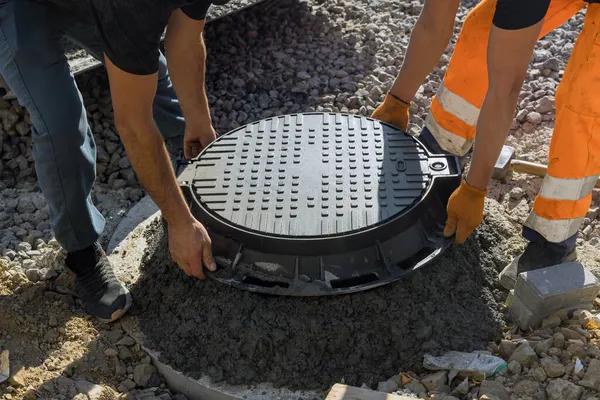
Proper maintenance and regular inspection of residential septic systems are essential to ensure their efficient operation and to prevent costly repairs or environmental damage. A septic system treats wastewater from a home by separating solids from liquids, allowing the liquid effluent to safely disperse into the soil. Over time, solids accumulate in the tank, which requires periodic pumping to maintain proper function. Neglecting this can lead to blockages, backups, or even failure of the entire system.
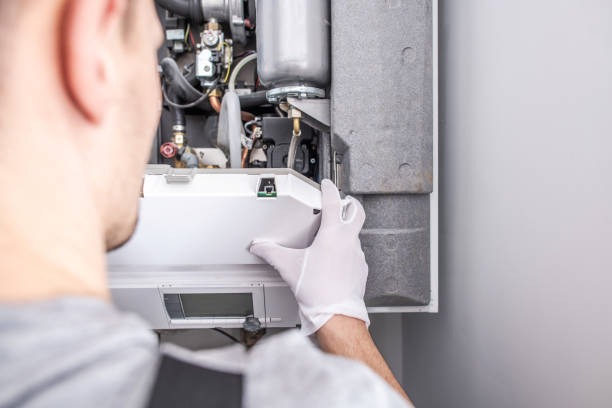
One of the fundamental best practices for septic maintenance is scheduling routine inspections every three years by a qualified professional. During these inspections, technicians assess sludge and scum levels inside the tank, check for leaks or cracks in components, examine pipes and baffles for any signs of damage or clogging, and evaluate the condition of the drain field where treated water disperses. Early detection of issues during inspection helps avoid learn more here serious problems that could require expensive repairs or replacement.
Septic Tank Inspection
Homeowners should also be mindful about what goes down their drains because certain substances can disrupt bacterial activity necessary for breaking down waste within the tank. Avoid flushing non-biodegradable items such as wipes, feminine hygiene products, grease, oils, paints, solvents, and chemicals as these can cause clogs or kill beneficial bacteria vital for treatment processes. Using water efficiently reduces stress on the system; excessive water flow may overload it causing untreated sewage to surface or back up into household plumbing.
Maintaining healthy vegetation over drain fields is important since deep-rooted plants like trees may damage underground pipes while grass helps absorb excess moisture without harming infrastructure. It’s advisable not to drive vehicles or place heavy objects over any part of a septic system because compaction can impair drainage capability leading to premature failure.
In addition to professional upkeep efforts by homeowners include keeping detailed records of all inspections,pumpings,and repairs performed.This documentation assists service providers in tracking system history and planning future maintenance schedules effectively.
By adhering consistently to these guidelines-regular professional inspections every few years,pumping tanks when necessary,minimizing harmful waste disposal,use water wisely,and protecting drain fields-residential septic systems will operate smoothly with fewer disruptions.This proactive approach extends lifespan,saves money,long-term,and safeguards both property value along with surrounding environment quality through responsible wastewater management practices at home.
Gray Septic Solutions
Savannah, GA 31405
912-661-4089