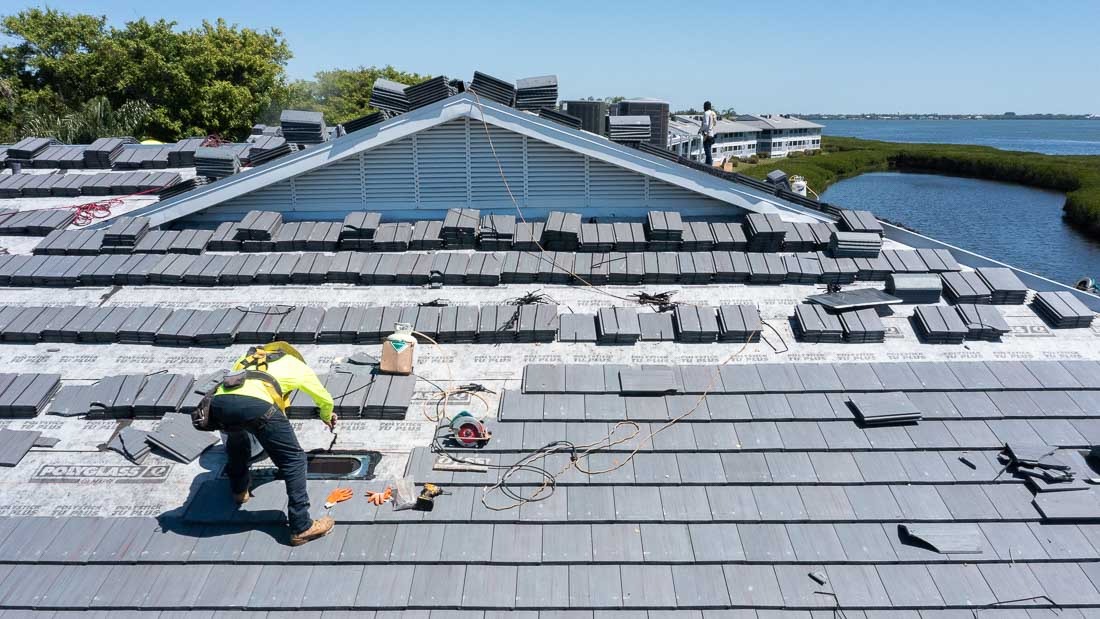
Professional roofers adhere to stringent safety standards to protect themselves, their coworkers, and the property they work on. Roofing is inherently hazardous due to heights, unstable surfaces, weather conditions, and the use of heavy tools and materials. To minimize risks and ensure a safe working environment, experienced roofing contractors follow established guidelines set by occupational safety organizations as well as industry best practices.
One fundamental aspect of roofer safety involves proper training before beginning any project. Workers must understand how to recognize potential hazards such as weak structures or slippery surfaces. They receive instruction on the correct use of personal protective equipment (PPE), including hard hats, non-slip boots, gloves, eye protection, and fall arrest systems like harnesses and lanyards. These items are crucial in preventing injuries from falls or flying debris.
Fall protection is perhaps the most critical component in roofing safety standards because falls are among the leading causes of injury in this field. Professional roofers utilize guardrails where possible or install temporary edge protection during work. When working near edges without guardrails, workers employ fall restraint or fall arrest systems that secure them with anchors attached firmly to stable parts of the building structure. Proper inspection and maintenance of these devices are mandatory before each use to guarantee reliability.
Another important practice is maintaining clear communication among team members throughout a project. Roofers often operate power tools such as nail guns or cutting equipment that require alertness from everyone nearby to prevent accidents. Establishing signals or verbal commands helps coordinate movements safely while avoiding distractions that could lead to mishaps.
Weather conditions play a significant role in roofing safety protocols since rain, snow, ice, or strong winds increase dangers exponentially. Professionals monitor forecasts closely and postpone work if conditions become unsafe rather than risking slips or structural failures caused by wet materials.
Safe handling and storage of materials also contribute significantly to preventing workplace injuries. Heavy bundles of shingles should be lifted using proper techniques that avoid strain on backs while ensuring loads do not shift unexpectedly on sloped surfaces.
Compliance with local regulations regarding scaffolding setup further enhances worker security by providing stable platforms for accessing difficult areas without relying solely on ladders.
In summary, professional roofers implement comprehensive safety measures encompassing thorough training; consistent use of PPE; robust fall prevention strategies; effective communication; attention to environmental factors; careful material management; and adherence to legal requirements for equipment use-see all resources designed systematically for risk reduction during roofing projects. These standards form an essential foundation enabling roofers not only to complete jobs efficiently but also return home unharmed at day’s end.