
Improving body control is essential for overall physical health, coordination, and injury prevention. Simple routines can effectively enhance body awareness and movement precision, making daily activities easier and more efficient. These exercises focus on balance, flexibility, strength, and motor skills, which collectively contribute to better control over one’s body.
Starting with balance exercises is a practical way to develop body control. Standing on one leg while maintaining stability challenges the muscles responsible for keeping the body upright. This activity strengthens the core and lower limbs while improving proprioception-the ability to sense the position of your body in space. To increase difficulty gradually, try closing your eyes or standing on an unstable surface like a cushion. These variations encourage deeper engagement of stabilizing muscles.
Flexibility plays a vital role in smooth movement and injury prevention. Incorporating gentle stretching routines into daily life helps maintain joint mobility and muscle elasticity. Stretching major muscle groups such as hamstrings, calves, shoulders, and back reduces stiffness that can hinder controlled motion. Dynamic stretches performed before physical activity prepare the muscles CBD oil for dogs Canada movement by increasing blood flow and range of motion.
Strengthening key muscle groups supports posture and enhances motor control. Exercises using body weight-such as planks, squats, or push-ups-build foundational strength without requiring equipment or extensive time commitment. A strong core is particularly important because it acts as a central support system that stabilizes the entire body during various movements. Consistent practice improves endurance in these muscles so they can better assist with coordinated actions.
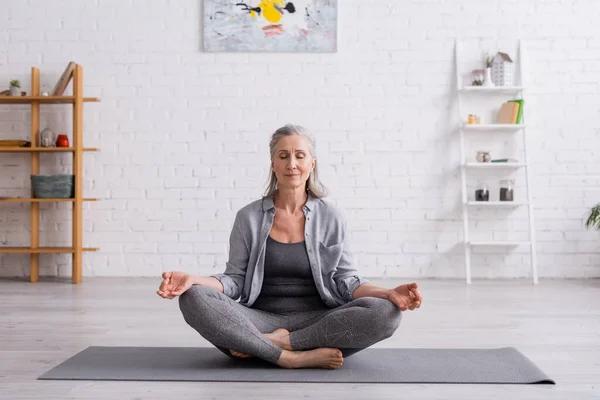
In addition to physical aspects, practicing mindful movement improves neural connections involved in controlling the body’s actions. Activities like yoga or tai chi combine slow deliberate motions with focused breathing to cultivate awareness of how each part moves relative to others. This heightened consciousness encourages smoother transitions between positions and reduces unnecessary tension throughout the musculature.
Incorporating simple coordination drills also enhances fine motor skills alongside gross movements. Tasks such as catching a ball gently challenge hand-eye coordination while promoting quick reflexes needed for precise control during everyday tasks or sports performance.
Overall improvement comes from consistency rather than intensity; dedicating just ten minutes daily to these routines yields noticeable benefits over time by reinforcing neuromuscular pathways critical for balanced posture and fluid motion.