Massage chairs have become increasingly popular as people seek convenient ways to relax and relieve stress at home. When exploring options, one often encounters two main categories: basic and premium massage chairs. Understanding the differences between these types can help consumers make informed decisions based on their needs, preferences, and budget.
Basic massage chairs are generally designed to provide essential massage functions without many advanced features. They typically offer standard massage techniques such as kneading, tapping, rolling, and sometimes shiatsu or vibration. These chairs focus primarily on delivering a straightforward massage experience aimed at relaxing muscles and improving circulation. The control panels in basic models tend to be simple with limited preset programs or manual adjustments for intensity and speed.
In terms of design and build quality, basic massage chair reviews chairs usually use more affordable materials which might affect durability over time. Their frames are often less robust compared to premium models but still adequate for everyday use. Additionally, they tend to have fewer airbags or nodes that target specific body areas; this means the coverage might be limited mainly to the back rather than extending comprehensively from neck down to calves.
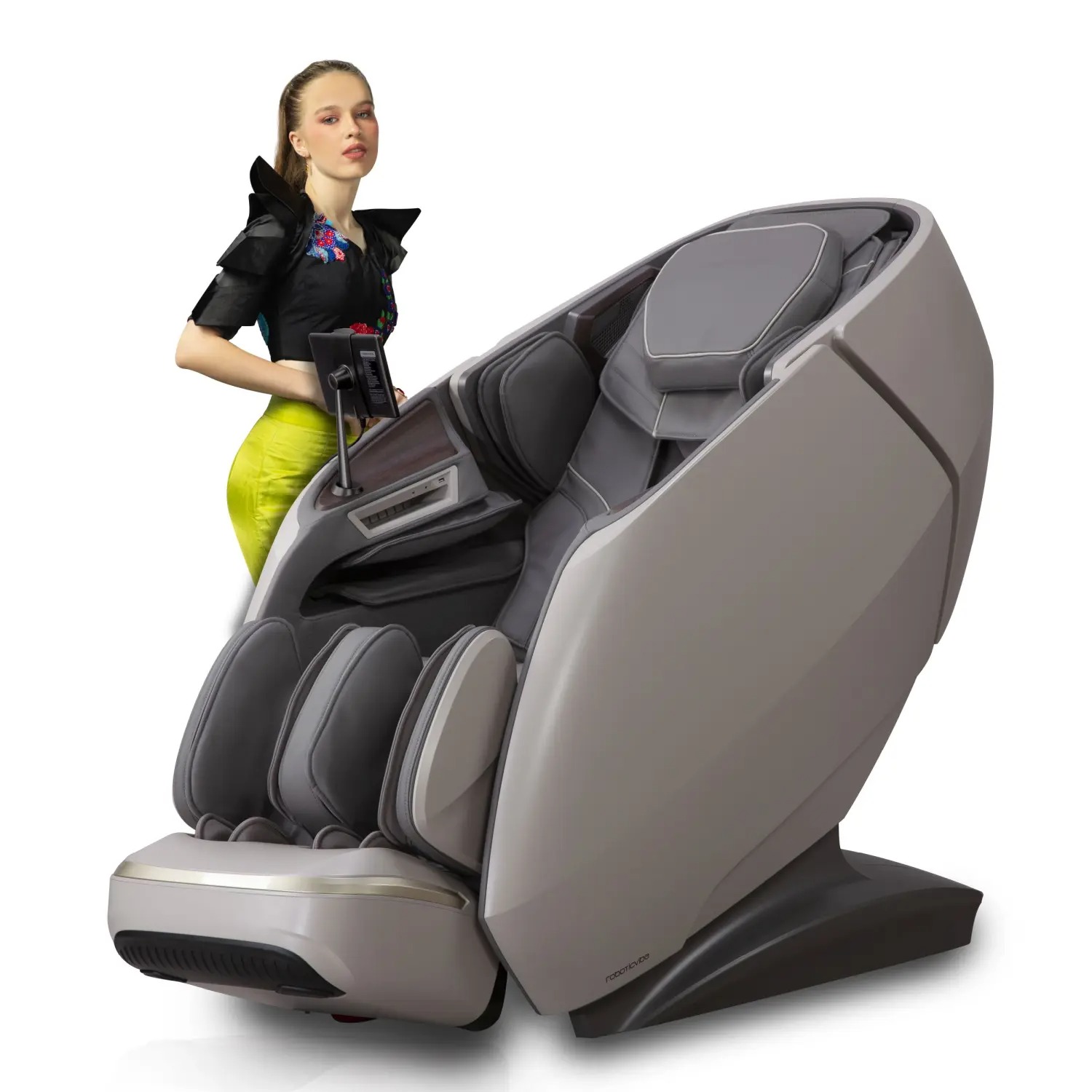
Premium massage chairs stand out due to their sophisticated technology and extensive features that mimic professional massages more closely. One key difference is the inclusion of advanced scanning systems that map a user’s body shape automatically before starting the session. This customization ensures precise targeting of pressure points tailored specifically for each individual’s anatomy.
Moreover, premium models come equipped with multiple complex massage modes combining techniques like deep tissue kneading, shiatsu finger pressure, compression via numerous airbags around shoulders, arms, legs, feet along with heat therapy elements integrated into various parts of the chair for enhanced muscle relaxation.
The control interfaces in premium chairs are often touchscreen-based or come with smart remote controls offering intuitive navigation through dozens of customizable settings including timer options and memory presets for different users within a household.
Another notable feature is zero-gravity positioning available predominantly in higher-end models; this reclines users into a posture where their legs are elevated above heart level reducing spinal pressure while promoting deeper relaxation during massages.
Furthermore, premium massage chairs may include extras such as Bluetooth speakers allowing music playback synchronized with massages enhancing sensory experience or even voice command functionality enabling hands-free operation.
Price remains an important factor distinguishing these two categories-basic models are significantly more affordable making them accessible entry-level choices whereas premium units represent considerable investments justified by superior performance longevity comfort versatility alongside modern aesthetics appealing strongly to enthusiasts seeking luxury wellness solutions at home.
In summary, while both basic and premium massage chairs aim at providing therapeutic benefits through mechanical massages they differ greatly in complexity technology integration user customization comfort levels material quality additional functionalities thus catering distinctly varied consumer expectations ranging from casual relaxation seekers up to dedicated health-conscious individuals demanding comprehensive holistic care experiences within private spaces.